
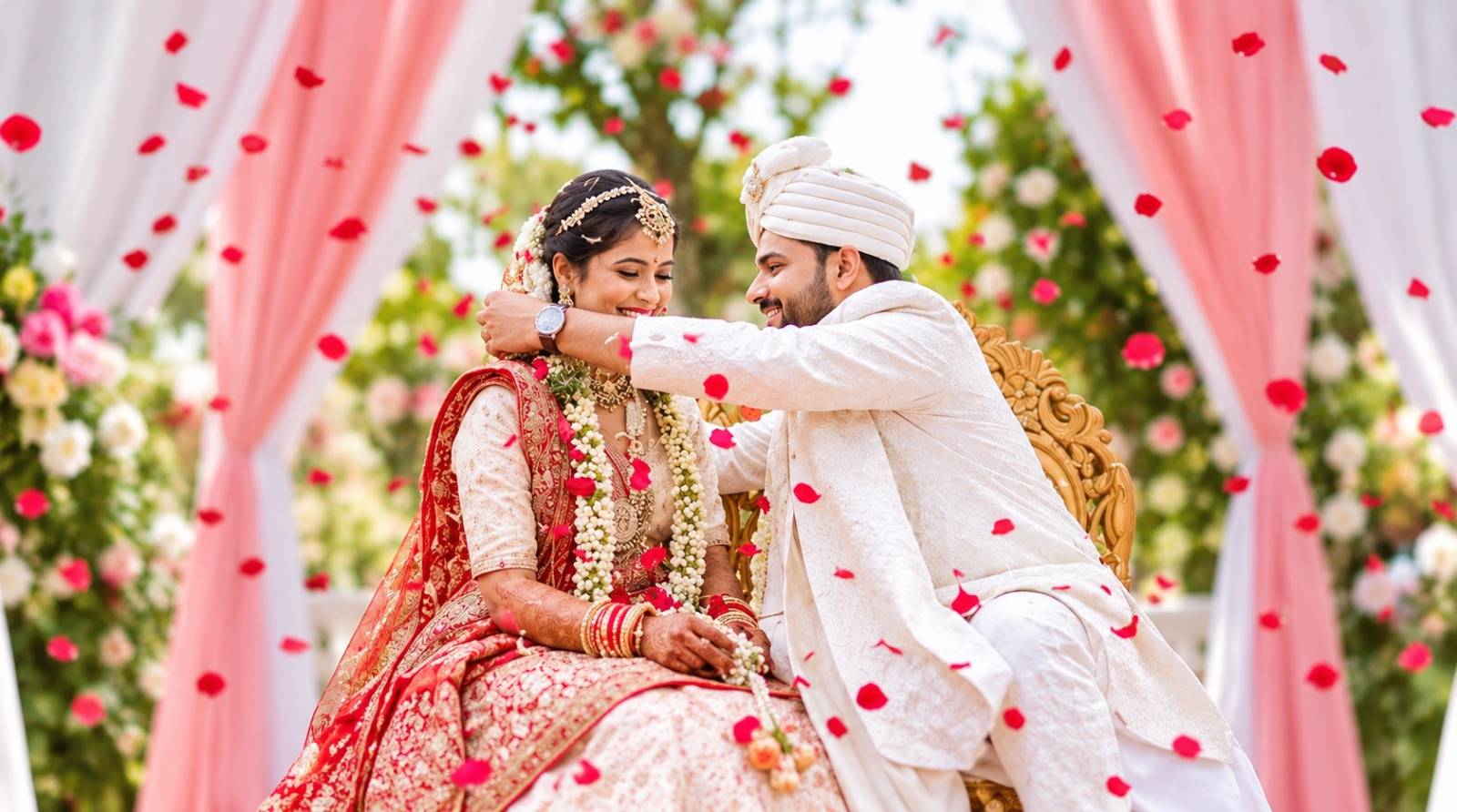
Candid coverage gives you natural, unposed moments: laughter, tears and reactions as they happen. Traditional coverage gives you complete, well-lit records of every ritual and every relative, usually posed and planned. Most couples do not have to choose just one. The real decision is how to share time and budget between the two styles so that the photos you will look at most are covered properly.
What Each Style Is Good At
Candid photography follows the day without directing it. The photographer watches for expressions and small interactions and tries not to interrupt. Kevin Mullins calls this the documentary approach, where the photographer tells the story of the day as it unfolds. If this sounds like the album you want, see candid coverage to find out how it works at Thulir Media.
Traditional photography is planned and complete. The photographer makes sure each ritual is recorded clearly and that each family group is photographed together, looking at the camera. For many families, especially elders, this is the album that matters. To see how this looks in practice, see traditional coverage.
Our earlier guides explain how candid coverage works on the day and what traditional coverage includes.
Questions to Help You Decide
Work through these with your partner and family:
- Who is the album for? If parents and grandparents will look at it most, traditional group photos matter a lot. If you want photos to share and frame for yourselves, candid frames may matter more.
- How many rituals and events are there? A long ceremony with many family groups needs someone focused on coverage and completeness.
- How comfortable are you in front of a camera? Couples who feel awkward posing often prefer candid coverage. A few relaxed poses for camera-shy couples can also help.
- What does your venue allow? Dark halls, temple rules or crowded stages can limit what a candid photographer can do.
- What is your budget? Two photographers cost more than one.
A Quick Comparison
Candid Coverage
- Main goal: Emotion and storytelling
- Direction: Very little
- Best moments: Reactions, laughter, quiet details
- Who usually loves it: The couple
- What it can miss: Some relatives or formal groups
Traditional Coverage
- Main goal: Completeness and record
- Direction: Planned poses and groups
- Best moments: Rituals, family groups, stage photos
- Who usually loves it: Parents and elders
- What it can miss: Spontaneous expressions
Why Many Couples Choose Both
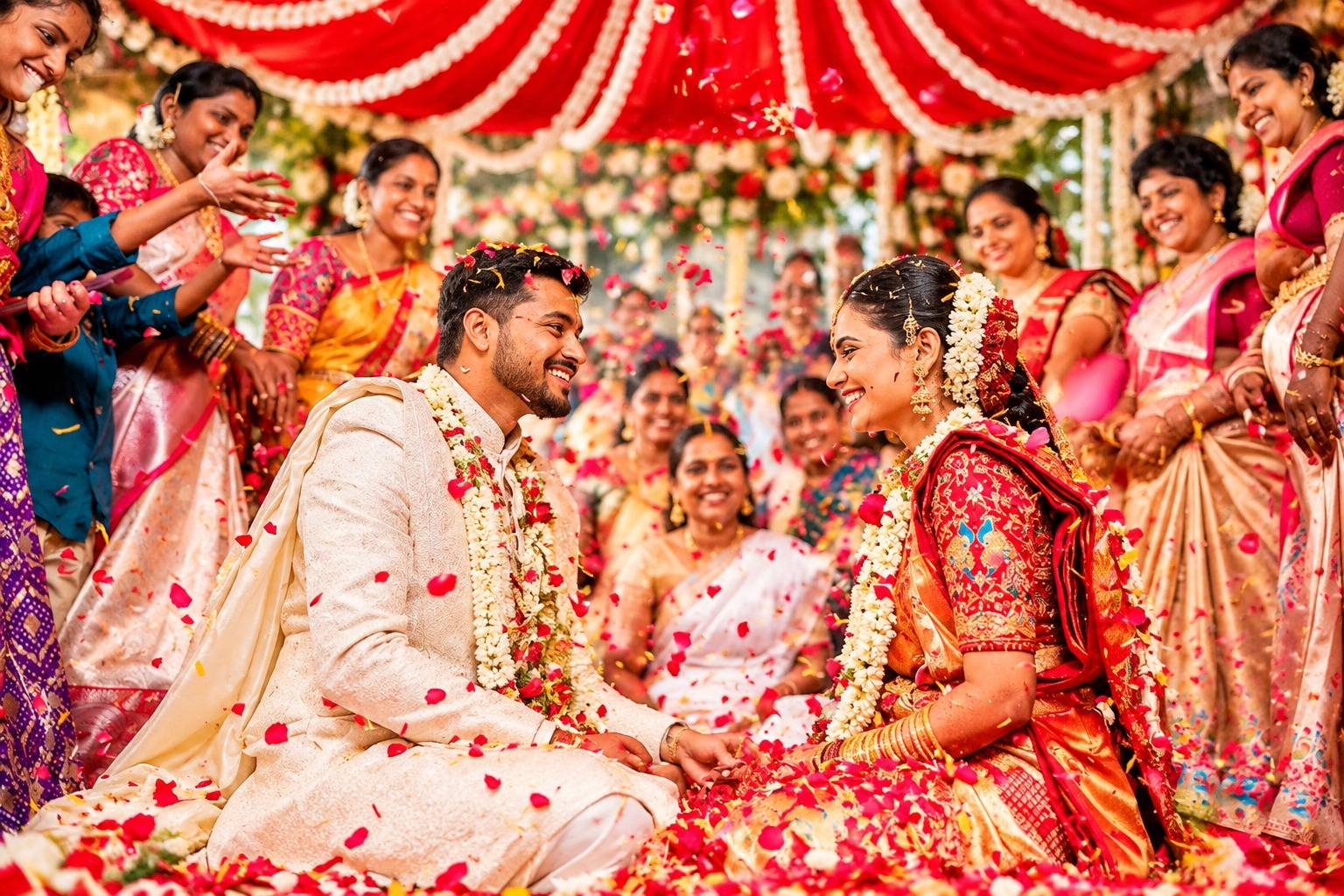
A combined team usually has one photographer for traditional coverage and another for candid work. The traditional photographer stays near the ritual and the stage, and the candid photographer moves through the crowd. The final albums then cover both the records and the feelings of the day.
Looking at Sample Work Before You Decide
Looking at full galleries is one of the most useful steps in choosing a wedding photographer. Ask any photographer to show a complete wedding, not just highlights. A full gallery shows whether they can handle low light, crowds and ritual timing. Look for:
- Consistent colour and exposure across the whole day
- Clear, sharp frames of the key rituals
- Natural skin tones under mixed lighting
- Group photos where everyone's face is visible
You can also browse our gallery to compare both styles.
Talk to Us About Your Coverage
Not sure which mix suits your wedding? Contact our team with your dates and plans and we will talk you through the options.